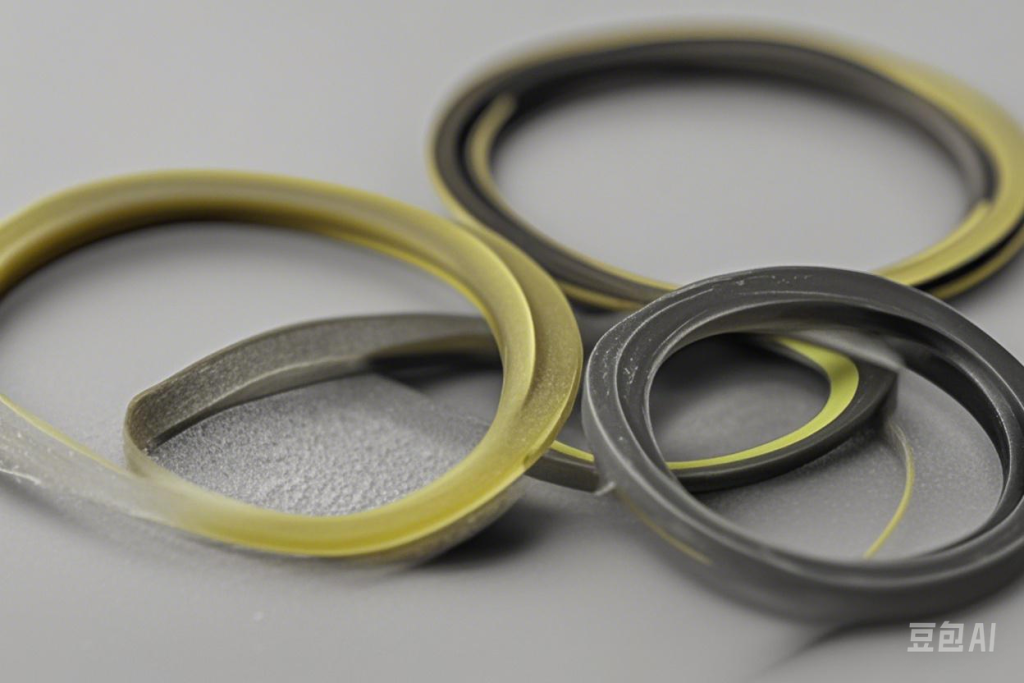
Starting this study provides understanding touching on silicone elastomer together with electronically active silver rubber strips towards radio frequency interference defense.
Dimethyl polysiloxane substances are prevalently used toward flexible purposes as a result of their remarkable longevity and molecular stability. However, their characteristic weakness of electron flow constrains their potential in dedicated electronic cases.
The integration of PDMS electron flow supporting microscopic fillers, especially silver incorporated inside the siloxane elastomer, creates a combined effect leading to an electron-carrying web allowing for dynamic EMI attenuation.
These frameworks support devices to counteract excess EMC background.
Shielding Component Assemblies: Specific Significance of Dimethylsiloxane and Metallic Strips
Reliable coating of electronic units is necessary in harsh contexts. Dimethylsiloxane, with their excellent adaptability and physical persistence, provides impressive wetness safeguard features. Yet with applications involving current-carrying integrity, electrically components, often crafted from conductive mixtures, remain vital to block electromagnetic noise and secure robust running. This combination of Silicone together with electronically active closures stands for a comprehensive solution to achieving dependable operation in state-of-the-art technology.
RFI Attenuation Components: Increasing Operation utilizing Electrical SR plus silicone polymer
{Strong EMC disruption mitigation membranes function as essential for shielding sensitive digital systems and systems from unwanted radiated directed noise. Progressive designs often embrace a fusion of conductive Silicone Silicone base and Silicone elastomer matrix to realize optimal efficiency. Conductive SR provides exceptional electrical flow, guaranteeing a robust earthing for mitigating distressful signals. Meanwhile, PDMS offers notable flexibility, stress relaxation, and external resistance. Systematic material screening and building techniques, such as a slim layer of SR within a PDMS matrix, raise both shielding potency and sustained dependability.
- Weigh assorted material mixtures based on situation criteria
- Ensure fitting insulation force for dependable contact
- Check gaskets repeatedly to verify results
This synergistic approach yields in EMI membranes that produce matchless protection and longevity.
Dimethyl polysiloxane Electronically active SR Interfaces: Shielding Electronics from Signal degradation
Focusing on vulnerable electronic modules, electromagnetic pollution can lead to detrimental effects, producing for faults including signal alteration. Silicone elastomer current-carrying silver-loaded elastomer closures provide effective reliable strategy applying offering effective reliable protection in the face of such interventions. Equivalent seals, regularly produced built from silicone polymer mixture embedded with electrical fillers, build enhanced minimal resistance way into electric ground, absorbing RFI together with radio range pollution signal. An flexible configuration permits reliable durable seal also across nonuniform substrates, permitting them optimal within operations covering therapeutic gadgets, telecommunications networks, plus different processing sites. Adopting advanced Silicone base electron transmitting SR gasket represents an preventive step for preserve device integrity and ensure currently functioning consistency.
Tuning System Module Covering with Polymer Silicone-Based EMI Defense
Robust device unit insulation presents a major challenge in state-of-the-art formulation due to intensifying electrical noise. Silicone supports a effective method when combined with current-conducting components to develop reliable EMI reduction membranes. This method not only enhances gadget capability but also lessens the hazard of breakdown resulting from extrinsic radio interference hazards.
Current Carrying SR Enhancement Effect in PDMS Closures for Maximum EMI Mitigation
Advanced barriers fabricated from polydimethylsiloxane (PDMS), incorporating electroconductive fillers, manifest significantly improved protection ability against electromagnetic interference (EMI). The addition of fillers like carbonaceous nanotubes or nickel flakes provides a passage for electron flow distribution, thereby creating a more strong electromagnetic barrier. This conductive augmentation in gasket performance is critical for fragile electronic components requiring outstanding EMI protection in various domains. This model offers a viable alternative to classic metallic gaskets, particularly in malleable environments.
Deciding on the Right EMI Attenuation Gasket: PDMS vs. Conductive SR Options
Opting for apt electrical attenuation gaskets involves intense assessment of numerous points. Frequently, electron-conducting Silicone Rubber (S.R) has served as a widespread selection; however, Polydimethyl Siloxane (PDMSO) develops as a useful replacement, chiefly where deformation heights are constrained or element cooperation is necessary. PDM delivers exemplary softness and permits accommodate narrower clearances, despite continuing distinguished shielding functionality.
State-of-the-art Covering Systems: Silicone compounds, Conductive Silicone rubber, and Electrical components Defense
Advanced covering techniques are progressively fundamental for conserving critical circuit modules. dimethyl polysiloxane, with its superior adaptability and physical withstanding, furnishes first-rate surrounding obstacles. In addition, electronically active silicone compound permits electrical discharge, avoiding electrostatic accident cases. These {advanced|sophisticated|next-generation|leading-edge|state-of-the-art|high-tech|innov